
Few people in Argentina know her name or have seen her films. Argentine filmmaker and queer pioneer Susana Blaustein Muñoz, was nominated for an Academy Award alongside her collaborator, Lourdes Portillo for the 1985 documentary film, "Mothers of Plaza de Mayo" so whatever happened to Susana?
SYNOPSIS
Argentine filmmaker Susana Blaustein Muñoz was nominated for an Academy Award in 1986 alongside Lourdes Portillo for the documentary, "Mothers of Plaza de Mayo," the story about mothers in search of their disappeared adult children during the dictatorship of the 70's and 80's in Argentina.
At 17, Susana emigrated to Israel, drawn by a scholarship to study at an art school. But the reality is, she left home to be able to live as a lesbian without the stigma of her family, who had distanced themselves from her at a very young age. She tells her story in her first documentary, Susana, a short student film she made at the San Francisco Art Institute that won multiple awards worldwide for being a pioneer in LGBTQ+ cinema.
Each of her films offers an opportunity to discuss social upheavals, bonds of pure lesbian love, and above all, the human experience of making a film. To what extent does assembling a film crew transform us? How deeply do we connect with reality when we embark on the adventure of producing a documentary? For Susana, these questions have always been important, and this film about Susana is no exception.
Director Statement
We feel it is urgent and essential to tell the story of Susana's life, which is marked by multiple forms of discrimination. We are convinced that her story interweaved with her work, is eye-opening and encouraging for all those who admire real activism, empathy and artistic commitment.
ABOUT FILMMAKER(S)
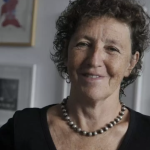 Director/Producer Liliana Furió
Liliana Furió is from Mendoza, Argentina. She has lived in Buenos Aires since 1982. Her first documentary as a producer and screenwriter was Mucho para dar, released in educational circuits in 2011. Her next work as a producer and screenwriter and her first as a director was the documentary We Can All Dance, which was awarded government development funds. It premiered in August 2014 in Berlin- Germany.
Tango Queerido is her third documentary as a filmmaker and screenwriter. This work screened in several international festivals and premiered at the Asterisco LGBTQ Film Festival in Buenos Aires in November 2016. It is available on the Hoy Milonga platform.
In August 2018 she premiered En una esquina de Barracas, el último arrabal in Berlin. The film was later released in Buenos Aires in independent film festivals with good reception. It is currently available for streaming on the Hoy Milonga platform.
Ilse Fuskova is her fourth documentary film as a director and is a portrait about activist and feminist Ilse Fuskova. It was released theatrically in 2021 at the Gaumont Cinema and selected for 9 international festivals where she won two jury awards and one audience award. It can currently be seen on the Cine.ar platform.
She has also participated in the following productions directed by Alberto Masliah under the production company, Sombracine: sound assistant in the documentary Yenú Kade, cristiano bueno released in 2011. Director of production on the hybrid dance documentary, En el cuerpo, which premiered in August 2018 in Argentina.
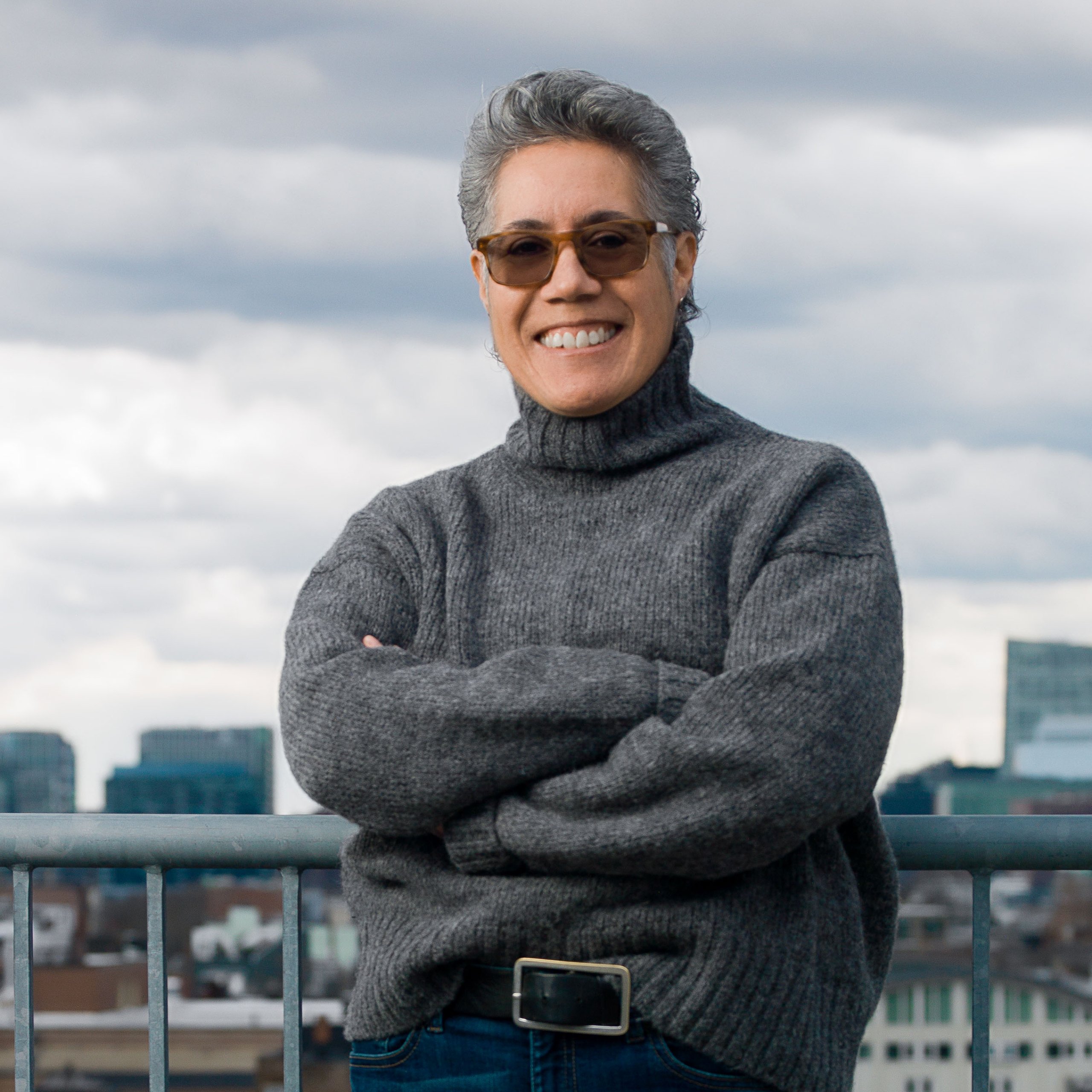 Director/Producer Cristina Kotz Cornejo
Raised in a bilingual, bi-cultural family, and a descendant of the Indigenous Huarpe people of the Cuyo region of Argentina, Cristina Kotz Cornejo is a film/media maker working in fiction, documentary, and immersive media forms. Her work primarily explores the political and personal voices of the female outsider. She is a graduate of NYU's Tisch School of the Arts' Graduate Film Program.
Cristina’s short films have screened in festivals around the world including Palm Springs ShortFest, Sao Paulo International Film Festival, Festival of New Latin American Cinema in La Habana Cuba, Outfest Fusion, BAMCinematek, SIFF in Seattle, Museum of Modern Art in Bogotá, Colombia, and many more. Her most recent completed work, an immersive 360º personal documentary film, 'the root is more important than the flower', won Best VR Documentary at Cinequest Film & VR Festival in the US, and was exhibited at festivals/venues such as Māoriland Film Festival and Wairoa Māori Film Festival in New Zealand, ImagineNATIVE in Canada, among others.
Her feature film debut, '3 Américas', premiered at Woodstock Film Festival, and streamed on Netflix and MUBI. Her short film, Jewel and the Catch, about African American lesbian activist and entrepreneur, Jewel Thais-Williams, is included in OUTFEST's UCLA Legacy Project LGBTQ+ Collection.
Cristina has received support from Film Independent, the MacDowell Colony, the Massachusetts Cultural Council, Cine Qua Non Lab, the LEF Foundation, Women Make Movies and the Online News Association/Knight Foundation.
RELATED LINKS
PROMOTE THIS PROJECT
Put a donation widget on your site. Click here for code.
ABOUT YOUR DONATION
Women Make Movies (WMM), Inc. is a 501(c)(3) non-profit media arts organization registered with the New York Charities Bureau of New York State and accepts charitable donations on behalf of this project. Your donation will be spent by the filmmaker(s) toward the production and completion of this media project. No services or goods are provided by Women Make Movies, the filmmaker(s) or anyone else associated with this project in exchange for your charitable donation.
Your contributions are tax deductible to the fullest extent of the law, and a confirmation of your donation will be sent via email. WMM will send you an acknowledgement letter in the mail to the address listed for tax purposes.
